
Sunny Storage · Clermont, Florida
Do You Need Climate-Controlled Storage in Clermont, FL?
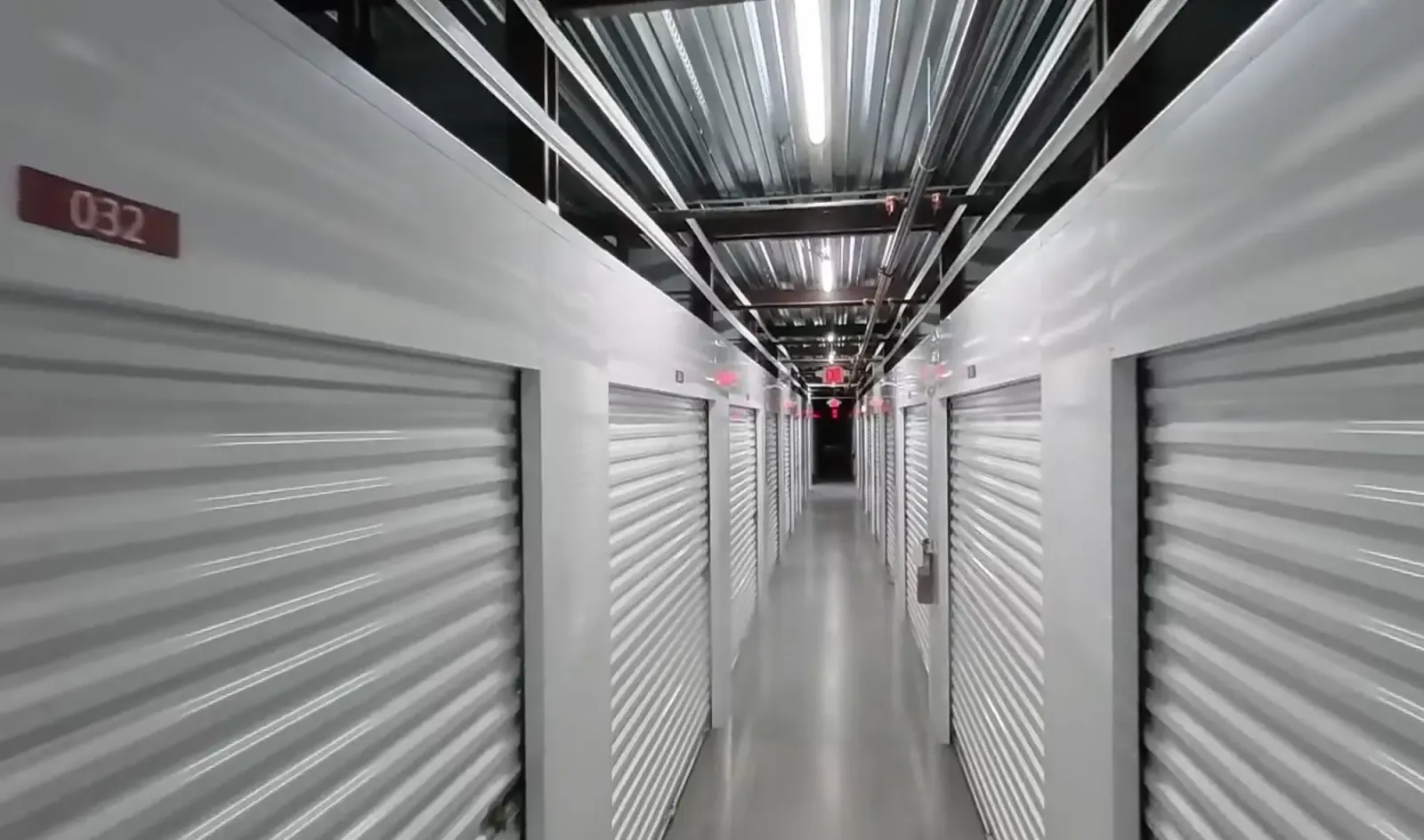
If you live in Clermont, you already know what a South Lake County summer feels like: hot afternoons, sticky air and the kind of humidity that fogs your sunglasses the moment you step out of the car. That same climate is the main reason the first question many people ask when they rent a storage unit here is, “Do I really need climate control?”
The honest answer: it depends on what you’re storing and for how long. This guide walks through how heat and humidity affect common household items, which belongings are worth protecting, when a standard drive-up unit is perfectly fine, and how to pack either type of unit so your things come out the way they went in.
What “climate-controlled” storage actually means
A climate-controlled unit sits inside a building whose interior environment is managed, so it doesn’t swing with outdoor conditions the way an exterior, roll-up unit can. Exactly how a facility manages temperature and humidity varies from operator to operator, so it’s always worth asking the facility about the specifics before you rent.
At Sunny Storage on Hooks St, we offer both climate-controlled units and drive-up units. Climate-controlled sizes include 5x5 up to 10x30 (current availability varies), and the 10x15, 10x20 and 10x30 sizes also come as drive-up units, which let you pull up to the door for quick loading.
Why humidity matters more than heat in Central Florida
Most people think about temperature first, but moisture is usually the bigger threat to stored belongings. The U.S. Environmental Protection Agency explains that mold will not grow without water or moisture, and it recommends keeping indoor relative humidity below 60 percent — ideally between 30 and 50 percent — to help prevent mold growth. The EPA also notes that in warm, humid climates, outdoor air can bring additional moisture indoors, and that if indoor humidity stays consistently above 60 percent, a specific dehumidification strategy is needed.
That’s the core issue in a place like Clermont. A closed, unconditioned space can trap warm, moist air for months. Over time, that moisture can lead to:
- Mold and mildew on fabric, upholstery, mattresses, cardboard and paper.
- Warping and cracking in wood furniture, cabinets and musical instruments as the wood absorbs and releases moisture.
- Corrosion on metal parts, tools and electronics.
- Musty odors that are hard to remove from clothing and soft goods.
Items that usually benefit from climate control
If you’re storing any of the following for more than a few weeks, a climate-controlled unit is usually the safer choice:
Wood and upholstered furniture
Solid wood, veneers and antiques react to moisture. Upholstered sofas, chairs and mattresses can absorb humidity and odors. If the furniture matters to you, climate control is a simple way to reduce the risk of warping and mildew.
Electronics and appliances
TVs, computers, gaming consoles, speakers and small appliances contain circuit boards and metal contacts that don’t do well with condensation.
Documents, photos and books
Paper absorbs moisture, and photos can stick together or discolor. Business records, tax files, family photo albums and keepsake books are classic climate-control items.
Artwork, collectibles and musical instruments
Canvas, framed prints, vinyl records, comic books, guitars and pianos are all sensitive to humidity swings.
Clothing, linens and leather
Fabrics and leather can develop mildew and odor in humid storage, especially if packed in sealed plastic before they’re fully dry.
Items that are usually fine in a drive-up unit
Climate control isn’t always necessary. A drive-up unit is often a great fit — and much more convenient for loading heavy things — when you’re storing:
- Patio furniture, grills and outdoor décor made for Florida weather
- Lawn equipment and garden tools (cleaned and dry)
- Plastic bins of seasonal items that aren’t moisture-sensitive
- Moving boxes for a short stay, like a few weeks between closings
- Bulky items you’ll access often, such as contractor supplies or business inventory that isn’t heat-sensitive
The key factors are duration and sensitivity. A two-week stay between leases is a very different risk from a year-long storage plan.
A quick way to decide
Ask yourself three questions:
- Would it be expensive or impossible to replace? (Heirlooms, photos, antiques, electronics.) → Lean climate-controlled.
- Is it made of wood, fabric, paper, leather or electronics? → Lean climate-controlled.
- Will it be stored longer than a month or two, especially through summer? → Lean climate-controlled.
If you answered “no” to all three, a drive-up unit is probably all you need. Many people split the difference: they keep sensitive items in a climate-controlled unit and bulky, durable things in a drive-up unit. Because Sunny Storage offers month-to-month leases, you can change your unit size or type later as your needs evolve.
How to pack for Florida conditions (either unit type)
- Make sure everything is completely dry before it goes in. Clean and dry appliances, coolers and outdoor gear first.
- Use quality boxes or plastic bins with lids, and avoid stacking heavy boxes on weak ones.
- Keep items off the floor using pallets or shelving so air can circulate underneath.
- Cover furniture with breathable fabric such as cotton sheets or furniture covers instead of tightly sealed plastic, which can trap moisture.
- Use mattress bags for mattresses and box springs to keep out dust.
- Leave a walkway so you can reach the back of the unit and spot problems early.
- Check on your unit periodically, especially after heavy rain or a storm.
Need supplies? Our office on Hooks St sells boxes, tape, bubble wrap, mattress covers and other packing materials, so you can grab what you need when you move in.
Don’t forget coverage
Whichever unit you choose, plan for protection of your belongings. At Sunny Storage, having coverage for your stored property is a requirement of the lease. You can purchase a protection plan directly from us, or provide your own insurance (for example, a homeowners or renters policy) and our storage manager will verify eligibility. Check with your insurer about what your policy covers off-premises.
Storage in Clermont, close to where you already go
Sunny Storage is a brand-new facility at 1140 Hooks St, just off US-27 and State Road 50, next to Clermont Landing and a few minutes from Historic Downtown Clermont. We serve neighborhoods across Clermont — including Greater Pines, Summit Greens, Skyridge Valley, Hartwood Reserve and Kings Ridge — as well as Minneola, Groveland, Montverde, Mascotte and the Four Corners area.
If you’re not sure which unit type fits your stuff, call or text us at (786) 475-1690 and we’ll help you compare climate-controlled and drive-up options. Reserve a Unit
Sources
- Sunny Storage home page — location, climate-controlled & drive-up units, sizes (5x5–10x30; 10x15/10x20/10x30 drive-up), month-to-month leases, packing supplies, neighborhoods served, phone: https://sunnystorage.com/
- Sunny Storage checkout page — lease coverage requirement / own insurance option: https://sunnystorage.com/checkout/full-form/
- U.S. EPA, A Brief Guide to Mold, Moisture and Your Home — mold needs moisture; RH below 60%, ideally 30–50%: https://www.epa.gov/mold/brief-guide-mold-moisture-and-your-home
- U.S. EPA, Biological Contaminants and Indoor Air Quality — warm/humid climates, dehumidification above 60%: https://www.epa.gov/indoor-air-quality-iaq/biological-contaminants-and-indoor-air-quality
Frequently asked questions
- Is climate-controlled storage worth it in Florida?
- For wood furniture, electronics, documents, photos, artwork, clothing and anything you'll store long-term, usually yes. Central Florida's humidity is the main risk; the EPA recommends keeping indoor relative humidity below 60% to help prevent mold.
- What is the difference between climate-controlled and drive-up storage?
- Climate-controlled units are inside a building with a managed interior environment. Drive-up units let you park right at your unit's door for easy loading and are ideal for durable items and short-term needs.
- Can I switch unit types later?
- Sunny Storage offers month-to-month leases, so you can change your unit size or rental duration as your needs change. Ask our team about availability.
- How much does climate-controlled storage cost in Clermont?
- Pricing depends on unit size and availability. See current rates on our unit listings.
- Do I need insurance for my storage unit?
- Yes — coverage for your stored property is required by the Sunny Storage lease. You can buy our protection plan or use your own eligible policy.
Related
Sunny Storage (external site)
Rent a unit at Sunny Storage (opens in a new tab)i4 Capital Group · design-build
or email ofli@i4capital.com