
Sunny Storage · Clermont, Florida
Hurricane Season Storage Checklist for Clermont, FL
Clermont sits well inland, but Central Florida still feels the effects of tropical storms and hurricanes: heavy rain, high winds, power outages and downed trees. Each year, the Atlantic hurricane season runs June 1 to November 30, according to NOAA’s National Hurricane Center — which also notes that tropical cyclone activity sometimes occurs before and after the season. Getting organized before a storm is on the radar is the easiest way to protect the things that matter most.
This checklist focuses on one part of storm prep that often gets overlooked: what to do with your belongings — the papers, keepsakes, furniture and gear you can’t easily replace.
Step 1: Build your plan before the season, not before the storm
Ready.gov, the federal government’s preparedness site, organizes hurricane preparation around making a plan, building a kit and staying informed. Lake County residents can find local emergency information through Lake County Emergency Management and sign up for the county’s emergency alerts, Alert Lake.
For your belongings, “planning early” means deciding now:
- Which items you would grab if you had to leave quickly
- Which items are irreplaceable but don’t need to be at home
- Where copies of important documents will live
Step 2: Protect your important documents
Ready.gov recommends making copies of important documents and keeping them in a secure, password-protected digital space. Its financial preparedness guidance also suggests storing documents in a safety deposit box, an external drive or on the cloud. Documents worth gathering include:
- IDs, passports, Social Security cards and birth certificates
- Insurance policies (home, flood, auto) and your agent’s contact info
- Deeds, leases, titles and mortgage documents
- Medical records and prescription lists
- Bank and financial account information
Our tip: keep the originals you may need right away in a waterproof container you can grab fast.
Step 3: Make a home inventory
If a storm damages your home, an up-to-date inventory makes insurance claims much easier. Walk through each room and record video or photos of your belongings, including serial numbers for electronics and appliances. Save it somewhere other than your phone — a cloud account works.
Step 4: Decide what can go into storage ahead of time
Hurricane season is a good time to move things you don’t use every day out of a crowded garage or a room you’re renovating. Good candidates:
- Keepsakes and heirlooms you don’t need at home (photo albums, family papers, collectibles). Pack them in sealed plastic bins and choose climate-controlled storage for moisture-sensitive items.
- Extra furniture cluttering a garage, so you have room to secure outdoor items.
- Seasonal gear that doesn’t need to be at the house.
Storage is not a substitute for a safe shelter or an evacuation plan, and you should never travel to a storage facility once local officials issue storm warnings or tell residents to stay off the roads. The time to move things is early in the season, on a calm day.
Step 5: Pack for water, not just wind
In Central Florida, the bigger risk to stored belongings is often water and humidity rather than wind. Whether items are at home or in a unit:
- Use plastic bins with tight lids instead of cardboard for anything irreplaceable.
- Raise items off the floor with pallets or shelving.
- Put documents and photos in waterproof bags inside bins.
- Make sure everything is fully dry before you pack it.
The U.S. EPA advises that if wet materials are dried within 24–48 hours after a leak or spill, mold usually won’t grow — so after any storm, check on your belongings quickly, both at home and in storage.
Step 6: Secure outdoor items
Patio furniture, grills, planters and kids’ toys can become projectiles in high winds. Bring them indoors, into a garage or into a drive-up storage unit early in the season if you don’t use them often.
Step 7: Review your coverage
Call your insurance agent to confirm what’s covered, including belongings stored away from home. Ask about flood coverage specifically: Lake County notes that normal homeowner’s insurance does not cover damage due to flooding. At Sunny Storage, coverage for stored property is required by the lease; you can buy our protection plan or provide your own eligible policy.
After the storm
- Follow official guidance from Lake County Emergency Management before driving anywhere.
- When it’s safe, check your home and storage for water intrusion.
- Dry anything damp promptly.
- Photograph any damage before cleanup for insurance purposes.
Need a place for your extra things this season?
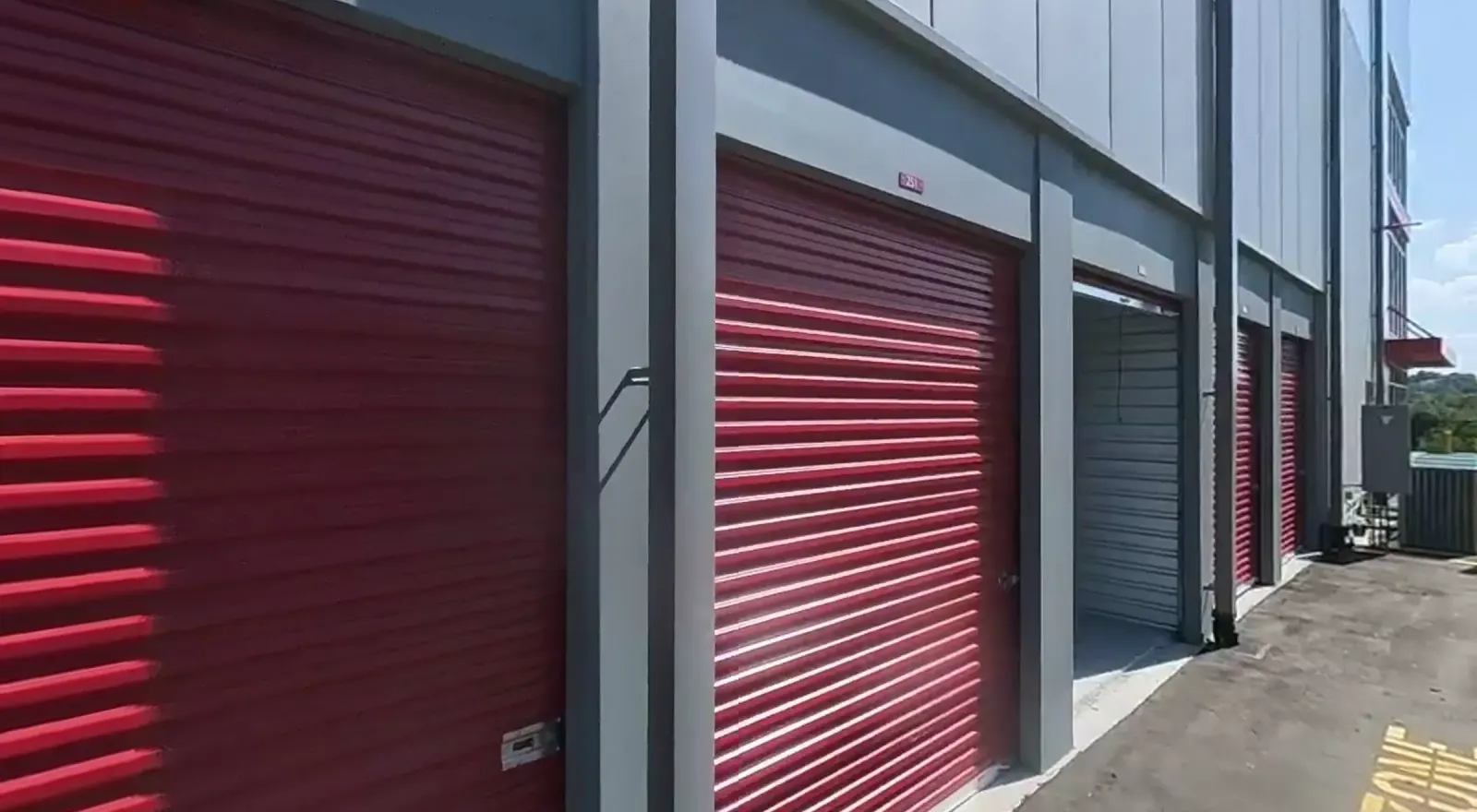
Sunny Storage is a brand-new facility at 1140 Hooks St in Clermont, just off US-27 and State Road 50 near Clermont Landing, with climate-controlled and drive-up units on flexible month-to-month leases. Call or text (786) 475-1690 to find the right unit. Reserve a Unit
Sources
- NOAA National Hurricane Center — season June 1–Nov 30; activity sometimes before/after: https://www.nhc.noaa.gov/climo/
- Ready.gov Hurricanes — plan/kit/stay informed; copies in secure password-protected digital space: https://www.ready.gov/hurricanes
- Ready.gov Financial Preparedness — “safety deposit box, an external drive or on the cloud”: https://www.ready.gov/financial-preparedness
- Lake County Emergency Management (Alert Lake): https://lakecountyfl.gov/emergency-management
- Lake County Severe Weather — homeowner’s insurance does not cover flooding: https://www.lakecountyfl.gov/Emergency-Management/Severe-Weather
- U.S. EPA mold guide — dry within 24–48 hours: https://www.epa.gov/mold/brief-guide-mold-moisture-and-your-home
- Sunny Storage site & checkout (facility facts, coverage requirement): https://sunnystorage.com/ , https://sunnystorage.com/checkout/full-form/
Frequently asked questions
- When is hurricane season in Florida?
- Each year, the Atlantic hurricane season runs June 1 through November 30, per NOAA's National Hurricane Center, though tropical cyclone activity sometimes occurs before and after those dates.
- Should I put my important documents in a storage unit?
- Ready.gov recommends keeping copies of important documents in a secure, password-protected digital space. Keep originals you may need during an emergency with you. Non-essential paper records can go into climate-controlled storage in sealed bins.
- Can I go to my storage unit during a hurricane warning?
- No. Follow local officials' instructions and stay off the roads. Move items early in the season, in good weather.
- Is climate-controlled storage better for hurricane season?
- For moisture-sensitive items like documents, photos, electronics and wood furniture, climate control helps limit humidity exposure. Durable outdoor items are usually fine in a drive-up unit.
Related
Sunny Storage (external site)
Rent a unit at Sunny Storage (opens in a new tab)i4 Capital Group · design-build
or email ofli@i4capital.com